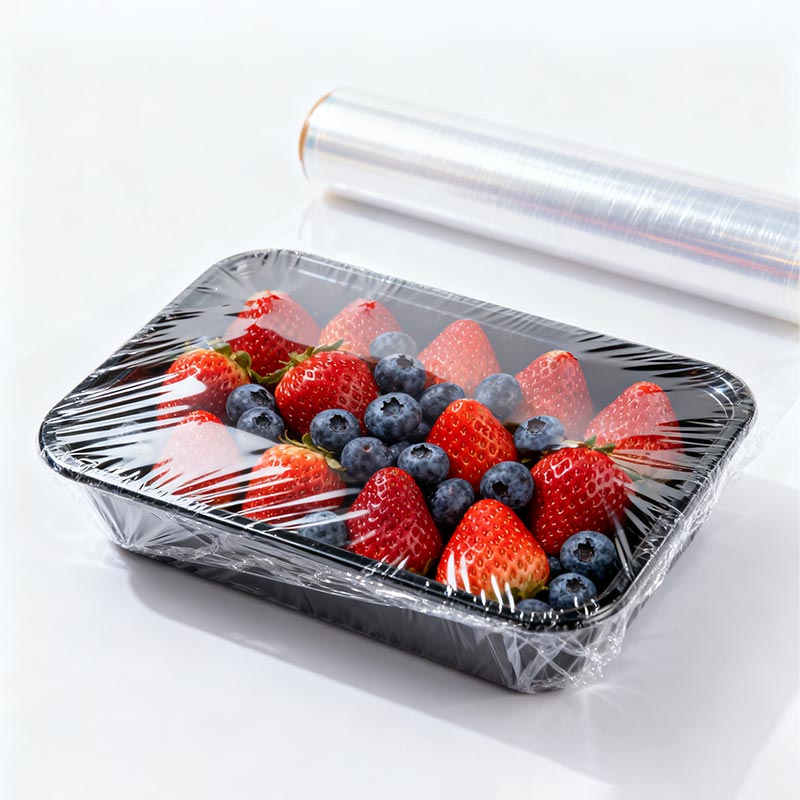
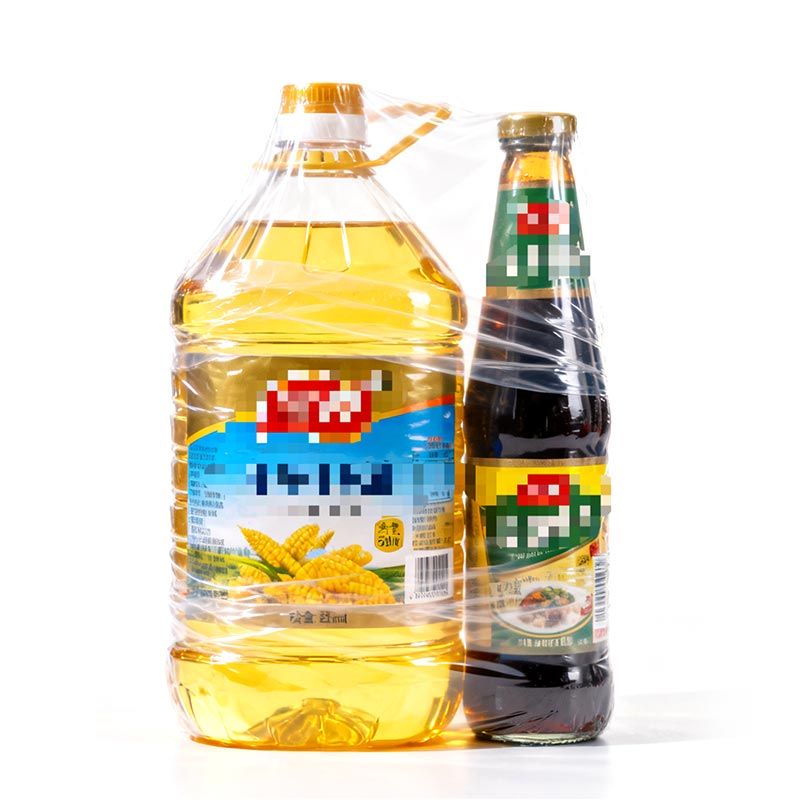
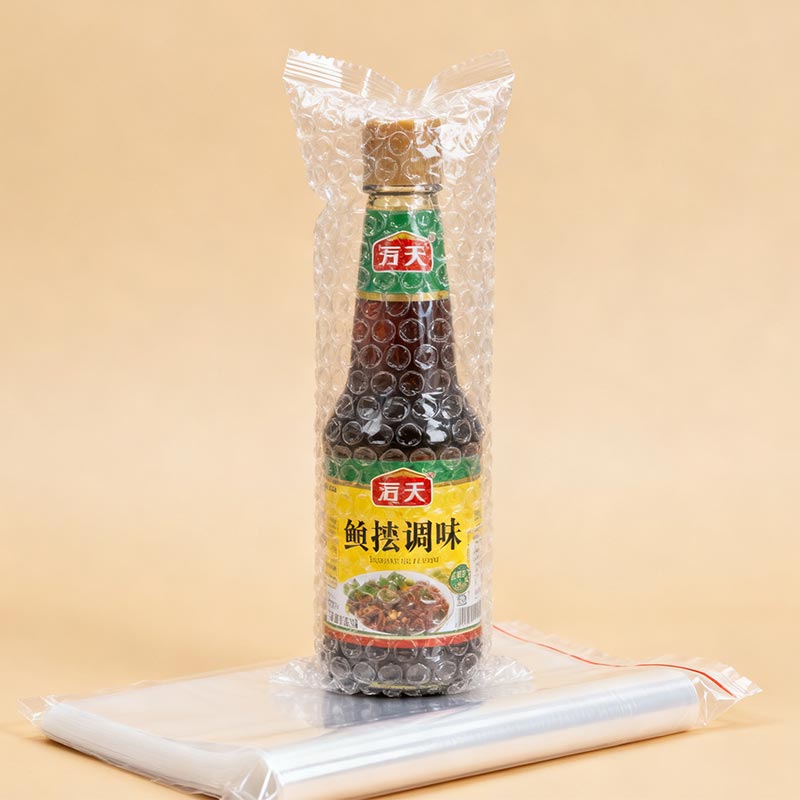
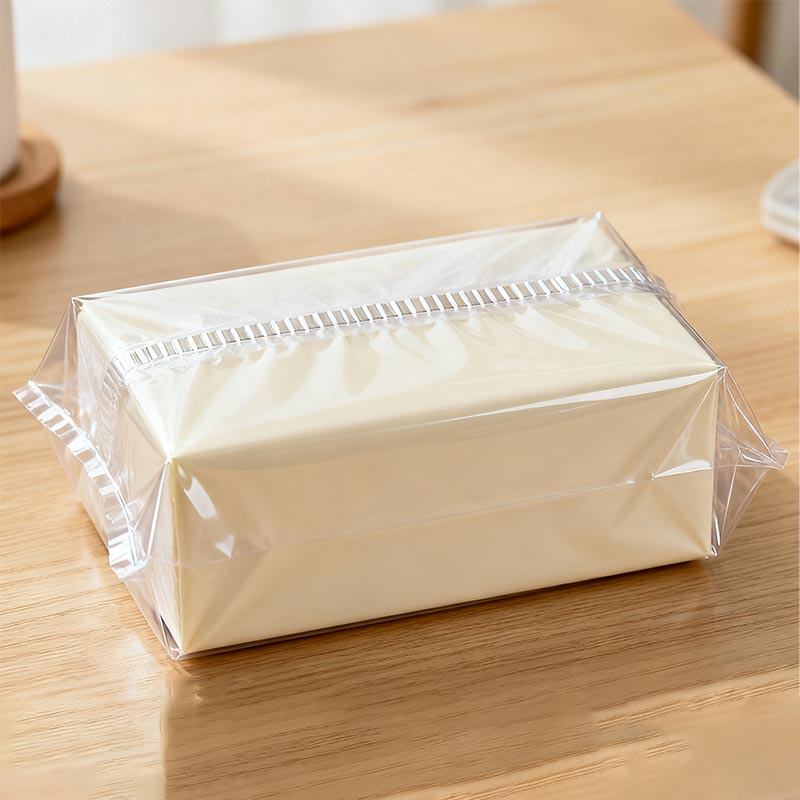
Plastic wrap is an essential product in food packaging, industrial applications, and household use. Its performance directly impacts product protection, shelf life, and operational efficiency. At Dongguang County Donghui Heat Shrink Film Co., Ltd, our team has developed a deep understanding of the materials and manufacturing processes that ensure high-quality Plastic Wrap. In this article, we explore the main factors influencing the performance of Plastic Wrap, providing professional insights and practical guidance for buyers and end-users.
Table of Contents
What Role Does Material Composition Play in Plastic Wrap Performance?
Material composition is the foundation for ensuring high-quality Plastic Wrap. The choice of resin types, additives, and processing techniques directly impacts the film's durability, flexibility, clarity, and barrier performance. At Dongguang County Donghui Heat Shrink Film Co., Ltd, our team prioritizes the careful selection of raw materials and rigorous quality testing in our factory to deliver Plastic Wrap that meets diverse customer requirements.
1. Primary Resin Types and Their Advantages
Our Plastic Wrap is primarily manufactured using three types of resins: Low-Density Polyethylene (LDPE), Linear Low-Density Polyethylene (LLDPE), and Polyvinylidene Chloride (PVDC) blends. Each resin type has specific properties that influence overall performance.
-
LDPE: LDPE is valued for its flexibility, ease of processing, and lightweight structure. Our factory uses high-grade LDPE to create Plastic Wrap with excellent puncture resistance, making it suitable for household food wrapping and light industrial applications. LDPE’s soft and pliable texture allows it to conform closely to irregular surfaces, ensuring a tight seal without tearing.
-
LLDPE: LLDPE is incorporated into our Plastic Wrap to enhance tensile strength and elasticity. Our factory emphasizes precise blending ratios to achieve maximum stretch without compromising strength. LLDPE-based films are particularly effective for industrial applications such as pallet wrapping and bundling, where resistance to tearing and stretching is critical. LLDPE also improves cling properties, which ensures better surface adhesion and reduced air pockets.
-
PVDC Blends: PVDC is used to improve barrier properties. Our factory incorporates PVDC blends into Plastic Wrap to protect against oxygen, moisture, and aroma loss. This makes our products ideal for perishable foods and long-term storage. The PVDC component also enhances clarity, allowing users to monitor product freshness while maintaining excellent wrap integrity.
2. Additives and Their Functional Benefits
In addition to resins, our factory carefully selects additives to optimize Plastic Wrap performance. These additives play a key role in controlling flexibility, tackiness, UV resistance, and anti-blocking properties.
-
Plasticizers: Improve flexibility and prevent cracking at low temperatures. Our use of high-quality plasticizers ensures that the wrap remains soft and stretchable, even in cold storage conditions.
-
Anti-Blocking Agents: Prevent layers of Plastic Wrap from sticking together excessively, allowing smooth unrolling and easy handling. This enhances usability for both household and industrial applications.
-
UV Stabilizers: Protect against degradation and color change when exposed to sunlight. Our factory incorporates UV stabilizers for Plastic Wrap intended for environments with light exposure.
-
Cling Enhancers: Enhance surface adhesion to maintain a secure seal, which reduces air pockets and improves food preservation. Our factory precisely controls the concentration of cling additives to achieve optimal tackiness without leaving residue.
3. Layered Film Structures
Modern Plastic Wrap often uses multi-layer co-extrusion techniques to combine the benefits of different resins and additives. At Dongguang County Donghui Heat Shrink Film Co., Ltd, our factory employs multi-layer extrusion to create films with superior performance characteristics.
-
Single-Layer Films: Primarily made from LDPE or LLDPE, these films are suitable for household use. They provide good stretch and clarity but have limited barrier properties.
-
Two-Layer Films: Typically combine LLDPE with a barrier-enhancing layer such as PVDC. Our factory uses two-layer structures to achieve a balance between strength, flexibility, and oxygen/moisture resistance.
-
Three-Layer Films: Multi-layer constructions allow the integration of multiple functional properties, including heat resistance, clarity, and enhanced adhesion. These are particularly useful for industrial and food-grade applications where high durability and protection are required.
4. Quality Control and Testing
Our factory implements rigorous quality control procedures to ensure consistent material composition in every batch of Plastic Wrap. This involves both in-line monitoring during extrusion and laboratory testing after production. Key parameters include:
-
Tensile Strength: Ensures the film can stretch and recover without tearing. Our factory measures both machine direction (MD) and transverse direction (TD) strength to optimize film performance.
-
Clarity: Visual inspection and light transmission tests guarantee that our Plastic Wrap maintains high transparency for product visibility.
-
Barrier Properties: Oxygen and moisture transmission rates are tested to verify the effectiveness of PVDC or other barrier-enhancing components.
-
Adhesion and Tack: Evaluated to ensure consistent cling and easy handling across various surfaces.
-
Temperature Stability: Films are tested at extreme temperatures to ensure flexibility in cold storage and heat tolerance for food applications.
By integrating these quality measures, our factory guarantees that each roll of Plastic Wrap performs reliably in the intended application.
5. Impact of Material Composition on Long-Term Performance
The choice of material composition has a direct impact on the long-term performance of Plastic Wrap. Our customers benefit from:
-
Durability: High-quality resins and additives reduce the risk of tearing, punctures, and shrinkage during use.
-
Enhanced Shelf Life: Barrier properties provided by PVDC and other additives extend the preservation period of food products.
-
Consistent Performance: Precise material formulation ensures uniform stretch, cling, and clarity throughout each roll.
-
Operational Efficiency: Reliable Plastic Wrap reduces waste, minimizes packaging errors, and improves productivity in industrial settings.
At Dongguang County Donghui Heat Shrink Film Co., Ltd, our dedication to selecting the best raw materials and optimizing their composition enables us to produce Plastic Wrap that consistently meets the highest standards. Our factory’s commitment to material excellence ensures that our customers receive products with superior durability, usability, and barrier performance.
How Does Thickness and Gauge Influence Plastic Wrap Functionality?
Thickness, also known as gauge, is a fundamental factor that affects the performance, durability, and usability of Plastic Wrap. At Dongguang County Donghui Heat Shrink Film Co., Ltd, our factory emphasizes precise gauge control to ensure that every roll of Plastic Wrap meets the specific requirements of our customers, whether for household, commercial, or industrial applications.
1. Understanding Gauge and Its Measurement
Gauge refers to the thickness of the plastic film, typically measured in microns. The thickness directly impacts the strength, stretchability, and barrier properties of the wrap. Our factory produces Plastic Wrap in gauges ranging from 8 microns to 30 microns, with different ranges tailored for specific use cases.
-
Thin gauges (8-12 microns): These films offer high flexibility and excellent cling, making them ideal for light food wrapping and household applications. Our factory ensures consistent thickness across rolls, reducing the risk of tearing or uneven coverage.
-
Medium gauges (12-20 microns): These films provide a balance of strength and stretch, suitable for commercial food packaging and small-scale industrial use. The combination of LDPE and LLDPE in this range ensures both durability and easy handling.
-
Thick gauges (20-30 microns): Thick films are designed for heavy-duty applications, such as pallet wrapping or industrial storage. Our factory uses precise extrusion techniques to produce high-strength films that resist punctures and maintain adhesion under stress.
2. Effects of Thickness on Key Performance Attributes
The gauge of Plastic Wrap influences several critical performance factors. Understanding these effects allows our customers to select the optimal film for their specific needs.
-
Stretchability: Thinner films generally stretch more easily, allowing for tight wrapping around irregular surfaces. Our factory carefully calibrates film elasticity to ensure maximum stretch without compromising strength.
-
Puncture Resistance: Thicker films provide enhanced resistance to punctures and tears. This is particularly important for industrial and transportation applications where sharp edges or heavy loads are involved.
-
Cling and Seal: The thickness of the film affects how well it adheres to surfaces. Our factory ensures that both thin and thick films maintain reliable adhesion without leaving residue, providing secure packaging and protection.
-
Barrier Properties: While thickness alone does not determine barrier performance, it works synergistically with material composition. Thicker films in combination with PVDC layers provide better moisture and oxygen resistance.
-
Handling and Usability: Film that is too thick may be harder to stretch and apply, while film that is too thin may tear easily. Our factory designs gauges to balance ease of use with durability.
3. Practical Applications Based on Gauge
Selecting the appropriate gauge for Plastic Wrap is essential for achieving optimal results in different scenarios. Our factory recommends the following:
-
8-12 microns: Household food wrapping, light protection, temporary covering of goods. These films are easy to tear and stretch, providing convenience for daily use.
-
12-20 microns: Commercial food packaging, bakery products, and small industrial bundles. These films offer a good balance of stretch, strength, and clarity.
-
20-30 microns: Heavy-duty pallet wrapping, industrial storage, and transportation. Thick films from our factory resist punctures, maintain strong adhesion, and ensure secure packaging during handling and transit.
4. Quality Assurance in Thickness Control
Our factory implements strict quality control procedures to ensure that gauge specifications are consistently maintained. This includes:
-
In-line thickness monitoring during extrusion to prevent variation across the roll.
-
Laboratory testing of random samples to confirm compliance with specified microns.
-
Adjustment of extrusion parameters to maintain uniformity for both thin and thick films.
-
Ensuring that each roll of Plastic Wrap from Dongguang County Donghui Heat Shrink Film Co., Ltd meets customer requirements for durability, stretchability, and barrier performance.
By maintaining precise control over thickness and gauge, our factory guarantees that Plastic Wrap performs reliably across all intended applications, whether for household convenience, commercial efficiency, or industrial durability.
Why Is Temperature Resistance Critical for Plastic Wrap?
Temperature resistance is a vital factor for the performance and reliability of Plastic Wrap. At Dongguang County Donghui Heat Shrink Film Co., Ltd, our factory designs Plastic Wrap to maintain functionality across a wide temperature range, ensuring that products are protected during storage, transportation, and use. Improper temperature resistance can lead to deformation, reduced adhesion, cracking, or compromised barrier properties, which may negatively affect product quality and shelf life.
1. Importance of Cold Resistance
Plastic Wrap is often used for cold storage of perishable food products. Maintaining flexibility and clarity at low temperatures is essential. Our factory formulates films to remain pliable even in freezing conditions:
-
Preventing Cracking: Low-quality films can become brittle when exposed to refrigeration or freezing, causing cracks that compromise protection. Our factory ensures that LDPE and LLDPE blends retain their flexibility down to -20°C.
-
Maintaining Cling: Cold-resistant films preserve adhesion to surfaces, preventing air gaps and moisture infiltration that can lead to spoilage.
-
Industrial Freezing Applications: For frozen food packaging, our factory produces Plastic Wrap that maintains integrity during long-term storage in freezers without losing stretch or clarity.
2. Heat Resistance for Safe Usage
Plastic Wrap must also withstand high temperatures during food handling and certain industrial processes. Our factory formulates films with additives and resins that provide heat resistance:
-
Microwave Use: Our Plastic Wrap can tolerate temperatures up to 120°C, making it suitable for microwave heating without melting or releasing harmful substances.
-
Hot Food Packaging: Plastic Wrap used for freshly cooked or hot products must resist deformation while maintaining a secure seal. Our factory ensures that films maintain clarity and adhesion even under heat.
-
Industrial Processes: Certain applications, such as shrink wrapping or heat-assisted sealing, require films that do not degrade under high temperatures. Our temperature-resistant formulations meet these industrial demands.
3. Thermal Stability and Barrier Performance
Temperature resistance also directly affects the barrier properties of Plastic Wrap. At extreme temperatures, some films may lose their ability to protect against oxygen and moisture. Our factory carefully balances resin types and additives to maintain barrier efficiency:
-
Cold Storage: PVDC blends in our Plastic Wrap retain moisture and oxygen resistance even at sub-zero temperatures, extending product shelf life.
-
High-Temperature Exposure: Films retain their structural integrity and clarity during heating, preventing gaps that could allow contamination or spoilage.
-
Consistent Protection: By ensuring thermal stability, our factory guarantees that Plastic Wrap provides consistent protection under varying environmental conditions, whether in transportation, retail storage, or household use.
4. Testing and Quality Assurance for Temperature Resistance
At Dongguang County Donghui Heat Shrink Film Co., Ltd, our factory implements comprehensive testing to ensure Plastic Wrap performs reliably across all temperature conditions:
-
Cold Flexibility Tests: Films are exposed to freezing temperatures to verify they remain pliable and do not crack.
-
Heat Endurance Tests: Plastic Wrap is heated to high temperatures to ensure it maintains shape, clarity, and adhesion without releasing harmful residues.
-
Barrier Retention: Oxygen and moisture transmission rates are measured after thermal exposure to confirm that barrier properties are not compromised.
-
Application Simulations: Films are tested in real-world scenarios such as refrigeration, freezing, microwaving, and heat sealing to ensure reliable performance for end users.
5. Benefits of Temperature-Resistant Plastic Wrap
By optimizing temperature resistance, our factory ensures that customers benefit from:
-
Reliable Product Protection: Maintains film integrity across varying temperatures, reducing spoilage and waste.
-
Extended Shelf Life: Effective barrier properties under extreme temperatures prolong the freshness of perishable goods.
-
Operational Efficiency: Temperature-stable films simplify packaging operations in both household and industrial settings.
-
Consumer Confidence: High-quality Plastic Wrap ensures safe food storage and handling, reinforcing trust in the product.
Temperature resistance is therefore a critical factor that influences both the usability and long-term performance of Plastic Wrap. At Dongguang County Donghui Heat Shrink Film Co., Ltd, our factory's focus on optimizing thermal stability ensures that our Plastic Wrap meets the highest standards for safety, protection, and convenience.
How Do Clarity and Adhesion Affect Usability?
Clarity and adhesion are two critical factors that determine the usability, functionality, and overall satisfaction with Plastic Wrap. At Dongguang County Donghui Heat Shrink Film Co., Ltd, our factory prioritizes optimizing both characteristics to ensure that our Plastic Wrap performs reliably across household, commercial, and industrial applications. A well-balanced combination of clarity and adhesion not only enhances product appearance but also increases efficiency, reduces waste, and ensures the protection of packaged goods.
1. Importance of Clarity in Plastic Wrap
Clarity refers to the transparency of the film, which allows the user to see the contents of the package without removing the wrap. High clarity is essential for both consumer confidence and operational efficiency.
-
Product Visibility: Clear Plastic Wrap allows customers and users to easily inspect food freshness, packaging quality, or the condition of industrial items. Our factory produces films with high light transmission, ensuring that packaged products are fully visible.
-
Presentation Quality: In retail and commercial settings, presentation is critical. High-clarity films enhance the aesthetic appeal of packaged goods, making them more attractive to consumers.
-
Process Efficiency: Clear films enable warehouse staff and operators to quickly identify items without opening the wrap, reducing handling time and the risk of contamination. Our factory controls resin purity and extrusion parameters to achieve consistent clarity across all rolls.
-
Consumer Confidence: High transparency demonstrates product quality, encouraging trust in both the packaging and the product. Our factory’s quality control ensures that each roll of Plastic Wrap maintains excellent visual clarity throughout its length.
2. Factors Influencing Clarity
The clarity of Plastic Wrap is influenced by several factors, including material selection, processing conditions, and additive usage:
-
Material Composition: LDPE, LLDPE, and PVDC blends each contribute differently to film clarity. Our factory carefully selects and blends these resins to maximize transparency while maintaining strength and stretch.
-
Extrusion Temperature: Proper extrusion temperatures prevent film haze and discoloration. Our factory maintains precise temperature control to produce consistently clear films.
-
Film Thickness: Thicker films may exhibit slight haziness if not properly processed. Our factory optimizes thickness and gauge to maintain clarity without sacrificing durability.
-
Additives: Anti-blocking agents and clarifying agents are used to enhance transparency and prevent the film from sticking together. Our factory carefully calibrates additive concentrations for optimal clarity and handling.
3. Importance of Adhesion in Plastic Wrap
Adhesion, or tackiness, determines how well Plastic Wrap clings to surfaces and itself. Proper adhesion is essential for secure sealing, protection, and ease of use:
-
Secure Packaging: Adequate adhesion ensures that the wrap stays in place, protecting products from dust, moisture, and contamination. Our factory formulates films to maintain reliable cling across a variety of surfaces.
-
Air and Moisture Barrier: Consistent adhesion prevents air pockets and gaps, enhancing barrier properties and extending product shelf life. Films with poor adhesion may allow moisture or oxygen ingress, compromising food safety and quality.
-
Ease of Application: Plastic Wrap that sticks too strongly or too weakly can be difficult to handle. Our factory balances tackiness to ensure that the wrap is easy to apply and remove without leaving residue.
-
Industrial Efficiency: Adhesion affects how quickly operators can wrap products in commercial settings. Consistent tack improves workflow and reduces material waste.
4. Factors Affecting Adhesion
Several elements influence the adhesive performance of Plastic Wrap. Our factory optimizes these factors to produce films that perform consistently:
-
Resin Blend: LLDPE contributes to stretch and surface tack, while LDPE provides flexibility. Our factory adjusts resin ratios to achieve optimal cling without compromising strength.
-
Surface Smoothness: The surface texture of the film impacts how well it adheres. Smooth films offer better contact and uniform adhesion, which is carefully controlled during extrusion.
-
Temperature and Humidity: Environmental conditions can affect adhesion. Our factory tests films under various conditions to ensure reliable performance in cold storage, hot environments, and high-humidity areas.
-
Additives: Cling-enhancing additives improve adhesion without causing the wrap to stick excessively. Our factory monitors additive concentrations to maintain consistent performance across all rolls.
5. Synergy Between Clarity and Adhesion
Clarity and adhesion are interconnected properties that must be balanced for optimal usability. Our factory focuses on creating Plastic Wrap that excels in both areas:
-
High-Quality Packaging: Clear films with strong adhesion ensure that products are well-protected and visible, enhancing both functionality and presentation.
-
Minimized Waste: Properly adhesive films reduce the risk of tears or failed seals, minimizing material loss and operational inefficiencies.
-
User Experience: Balanced clarity and adhesion simplify handling, wrapping, and storage, increasing satisfaction for both household and commercial users.
-
Enhanced Product Safety: The combination ensures that products are effectively sealed and protected from environmental factors while remaining fully visible.
6. Quality Control Measures for Clarity and Adhesion
At Dongguang County Donghui Heat Shrink Film Co., Ltd, our factory implements rigorous quality control procedures to ensure consistent clarity and adhesion:
-
Visual inspection and light transmission tests to verify uniform clarity across each roll.
-
Adhesion testing on multiple surface types to ensure reliable cling performance.
-
Monitoring extrusion conditions and additive concentrations to prevent haze, stickiness, or inconsistent tack.
-
Testing under temperature and humidity variations to ensure performance in real-world scenarios.
By maintaining precise control over these parameters, our factory guarantees that every roll of Plastic Wrap offers superior usability, durability, and protection.
7. Benefits of Optimized Clarity and Adhesion
When clarity and adhesion are carefully balanced, our customers enjoy numerous benefits:
-
Enhanced visual appeal and presentation quality for retail and consumer products.
-
Improved product protection against contamination, moisture, and oxygen.
-
Reduced operational waste due to fewer failed wraps or tears.
-
Higher efficiency in packaging processes for commercial and industrial use.
-
Reliable performance in various storage conditions, including refrigeration and ambient temperatures.
At Dongguang County Donghui Heat Shrink Film Co., Ltd, our factory’s expertise in optimizing clarity and adhesion ensures that our Plastic Wrap consistently delivers superior usability, professional-grade protection, and excellent user experience.
Conclusion
Understanding the key factors affecting the performance of Plastic Wrap is essential for achieving reliable packaging results. Our focus on material composition, thickness, temperature resistance, clarity, adhesion, and proper storage ensures that Dongguang County Donghui Heat Shrink Film Co., Ltd delivers top-quality products to meet diverse customer needs. By choosing our Plastic Wrap, our customers benefit from superior durability, stretchability, and barrier properties, improving both operational efficiency and product presentation.
Invest in our Plastic Wrap today to experience consistent performance and professional-grade packaging solutions. Contact our team to learn more about our range and receive tailored guidance for your specific applications.
FAQ
Q1: How does the resin type affect Plastic Wrap performance?
A1: The resin type determines flexibility, stretchability, and barrier properties. LDPE offers good puncture resistance, LLDPE enhances tensile strength, and PVDC blends provide superior oxygen and moisture barriers.
Q2: What gauge is recommended for heavy-duty applications?
A2: For heavy-duty packaging, gauges of 20-30 microns are recommended. These thicker films resist punctures and tearing while providing stable adhesion.
Q3: How does temperature influence Plastic Wrap usability?
A3: Temperature extremes can affect flexibility and adhesion. Our Plastic Wrap is formulated to withstand cold storage down to -20°C and heat up to 120°C without deformation.
Q4: Why is clarity important for Plastic Wrap?
A4: High clarity enhances product visibility, making it ideal for retail and household use. Our factory ensures consistent transparency across all rolls.
Q5: How should Plastic Wrap be stored to maintain quality?
A5: Store in a cool, dry place away from sunlight and chemicals. Keep rolls upright and use within the recommended shelf life to preserve performance.